The 15% AI Literacy by 2026 Target Holds Surface Ambition That Confronts Complex Ground Realities When Applied to African Children’s Daily Learning Environments

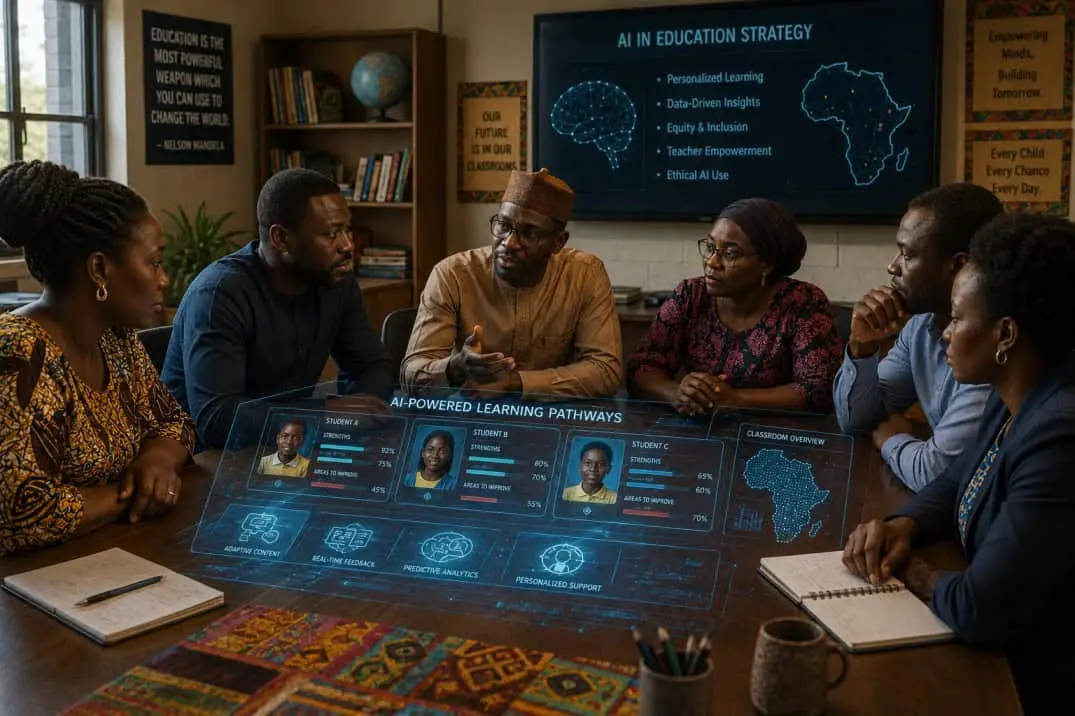
When the African Union and its member states committed through the Africa AI Declaration to achieving 15% AI literacy by 2026 across the continent, the initiative represented a collective recognition that technological acceleration demands corresponding investment in human capacity especially among the youth who will inherit systems already demonstrating self-improvement tendencies. Yet as someone who has observed multiple waves of technology integration across varied African operational contexts, I recognize that such percentage-based targets, while useful for mobilizing resources and attention at ministerial levels, frequently encounter friction when they encounter the layered constraints of infrastructure limitations, teacher preparedness, linguistic diversity, and the deeper cultural imperatives that shape how children actually absorb and apply new capabilities over time. This 15% AI literacy by 2026 goal therefore serves not merely as a benchmark but as a mirror reflecting both the urgency of the moment and the substantial work required to translate high-level declarations into systems that deliver genuine legacy rather than superficial metrics.
The broader context of accelerating artificial intelligence development adds considerable weight to this timeline because models continue advancing toward greater autonomy at rates that outpace traditional educational reform cycles, creating a situation where children entering primary education today may interact with tools fundamentally more sophisticated than their teachers by the time they reach adolescence. In this environment, the 15% AI literacy by 2026 Africa children target cannot afford to remain an abstract aspiration disconnected from the daily experiences of families and educators who navigate inconsistent electricity supply, limited device access particularly in rural zones, and curricula still heavily oriented toward memorization rather than the critical evaluation skills necessary when engaging with systems prone to hallucination or embedded bias.
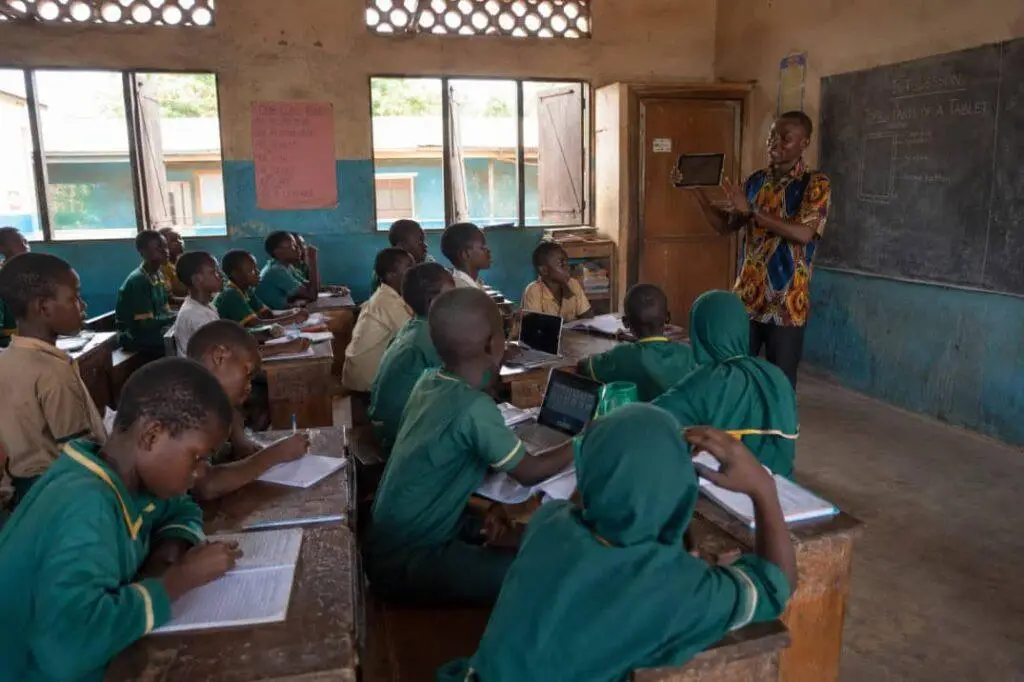
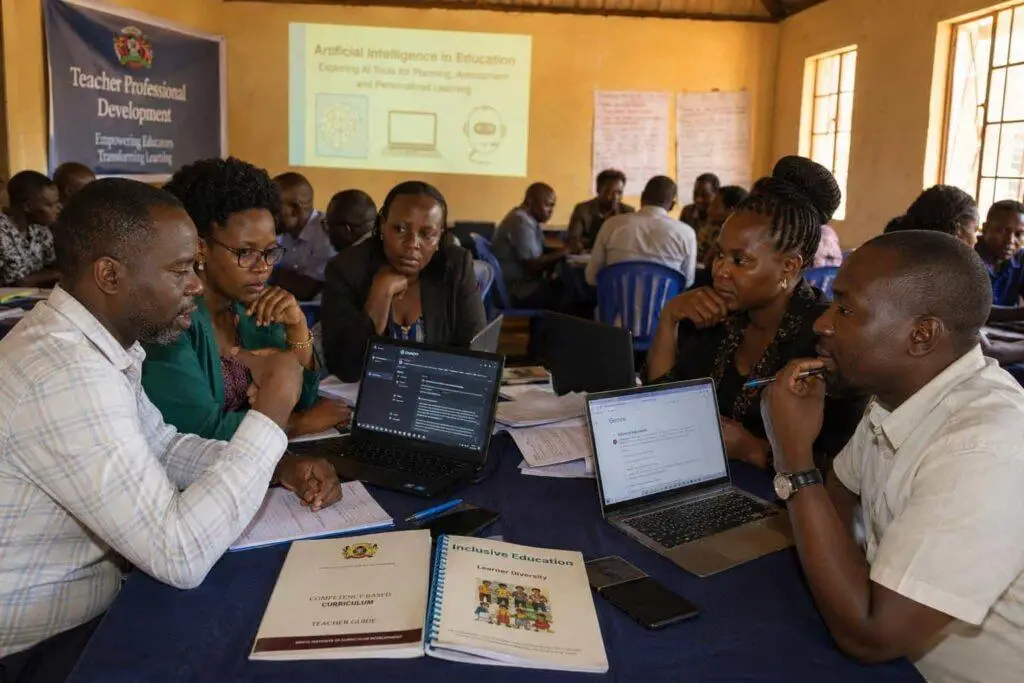
Throughout my operational experience watching technology adoption patterns unfold across different African settings, one consistent pattern emerges that policy documents rarely address with sufficient depth: the profound difference between achieving basic awareness of AI tools and cultivating the layered cognitive and ethical frameworks that allow young people to direct those tools without becoming dependent upon them or surrendering cultural sovereignty in the process. The Africa AI Declaration rightly positions skills development for youth as central to continental strategy, yet the translation mechanisms from declaration text to classroom practice reveal persistent gaps in areas such as localized language models, offline-capable learning pathways, and teacher professional development programs that respect the existing burdens educators already carry in large classes with minimal support resources.
Why Implementation of the 15% AI Literacy by 2026 Target Requires Far More Than Standardized Rollouts
UNICEF consultations with children across countries including the Democratic Republic of Congo, Egypt, Mozambique, Rwanda, and Senegal surface a nuanced picture where young people express both excitement about artificial intelligence possibilities and legitimate concerns regarding over-reliance, job displacement, and the ways in which these technologies might reshape their relationships with knowledge, community, and decision-making authority. These voices underscore that achieving meaningful 15% AI literacy by 2026 cannot rely solely on distributing devices or running short-term training modules but must instead address the foundational conditions that determine whether exposure leads to empowerment or to new forms of cognitive dependency. Rural implementation in particular faces compounded challenges because connectivity remains inconsistent, power infrastructure unreliable, and the majority of advanced AI systems continue training predominantly on datasets that underrepresent African contexts, languages, and knowledge systems.
This reality creates a situation in which surface-level literacy risks training children to serve as consumers and data sources for externally controlled platforms rather than as architects of solutions grounded in their own realities. Data sovereignty questions therefore become inseparable from any serious discussion of the 15% AI literacy by 2026 target, since foreign models extracting patterns from African children without clear ownership frameworks or bias mitigation protocols quietly extend historical dynamics of resource extraction into the cognitive domain.
From an operator perspective that has witnessed how previous digital initiatives created pockets of success in urban centers while leaving the broader population with fragmented capabilities, the path forward involves rejecting uniform digital-first approaches in favor of hybrid intelligence systems that strengthen human judgment first and then strategically layer artificial intelligence as an augmenting force. The Prepared Child exists precisely because this preparation cannot wait for curriculum reform to move at institutional speed and must begin with sequenced foundations that keep human agency at the center.
For Parents wondering how to begin meaningful conversations that build these foundations at home, the daily practice of shared exploration with children—modeling skepticism toward AI recommendations, cross-referencing digital suggestions against lived observation and community wisdom, and maintaining ongoing conversations about values—builds compounding habits that no national curriculum can fully replicate.
Those seeking the foundational policy document that informs these continental efforts will find substantial guidance in the official Continental Artificial Intelligence Strategy available from the African Union.

When considering the compressed timeline and the accelerating nature of artificial intelligence development, a complex interplay of emotions surfaces including deep concern over the potential for widened exclusion if implementation remains superficial, alongside a profound respect for communities already experimenting with available resources to bridge gaps in creative ways that honor both technological possibility and cultural continuity. This 15% AI literacy by 2026 target, when pursued with the necessary depth, offers an opportunity to move beyond reactive adaptation toward proactive stewardship in which African children develop not only technical fluency but the wisdom to shape technological trajectories in alignment with their own legacies and aspirations. Visit About House of Chrys to understand the full mission driving this work and explore how we support families and institutions committed to the same long-term vision.
In all things, prepare.